Cannabis (or marijuana/ weed) use disorder is more common than most people realise, and it rarely looks the way it’s portrayed. Many of the people who come to The Banyans for cannabis addiction treatment are working, parenting, performing, and quietly using daily to manage stress, sleep, pain, or a quieter struggle underneath. By the time someone considers residential support, the use has usually been part of their life for years.
Treatment at The Banyans is one-on-one and built around you. Up to six sessions a day, Monday to Friday, with a multidisciplinary team including psychiatry, psychology, medical, dietetics, and exercise physiology. A private suite. Aftercare for up to two years.
There’s no single moment that marks the shift from regular use to cannabis use disorder. It tends to creep. A daily evening joint becomes two, then four. Tolerance builds. The thing that once relaxed you is now what you need to feel normal.
The Diagnostic and Statistical Manual of Mental Disorders (DSM-5) recognises cannabis use disorder on a spectrum from mild to severe. You don’t have to be at the severe end to benefit from clinical support.
One thing worth knowing: the cannabis available today is not the cannabis of twenty years ago. Average THC concentration in commonly available products has risen substantially over recent decades, and concentrates and edibles can deliver much higher doses again. Dependence patterns and withdrawal experiences have changed alongside that — something a clinical team experienced in current cannabis presentations is positioned to address.
Treatment is individualised. There’s no fixed cannabis rehab curriculum that you slot into. Your program is shaped by a clinical assessment in the first 24 to 48 hours, then refined as your team gets to know you.
Before any therapy work begins, you’ll meet with members of your clinical team for a full assessment, including medical, psychiatric, and psychological. This is where your team learns the shape of your cannabis use, what’s been tried before, what’s working in your life, and what isn’t.
The assessment shapes the rest of your program. Sessions, modalities, medical inputs, and the pace of the work are calibrated to you, not to a fixed protocol. As the program progresses, the plan is refined.
All psychological therapy at The Banyans is one-on-one. There are no group sessions. The work moves at your pace, in private.
Evidence-based modalities may include cognitive behavioural therapies (CBT), motivational interviewing, SMART Recovery delivered one-on-one, and mindfulness-based approaches for craving tolerance.
Cannabis use rarely sits in isolation. Sleep, mood, anxiety, and the underlying conditions that often accompany long-term use need clinical attention in parallel, not after the fact.
Your program includes medical review with a GP, psychiatric review where appropriate, and medication management coordinated by the treating team. Pharmacogenomic (PGx) testing is available in the Comprehensive Program, which can help your psychiatrist understand how your body metabolises specific medications and shape future prescribing.
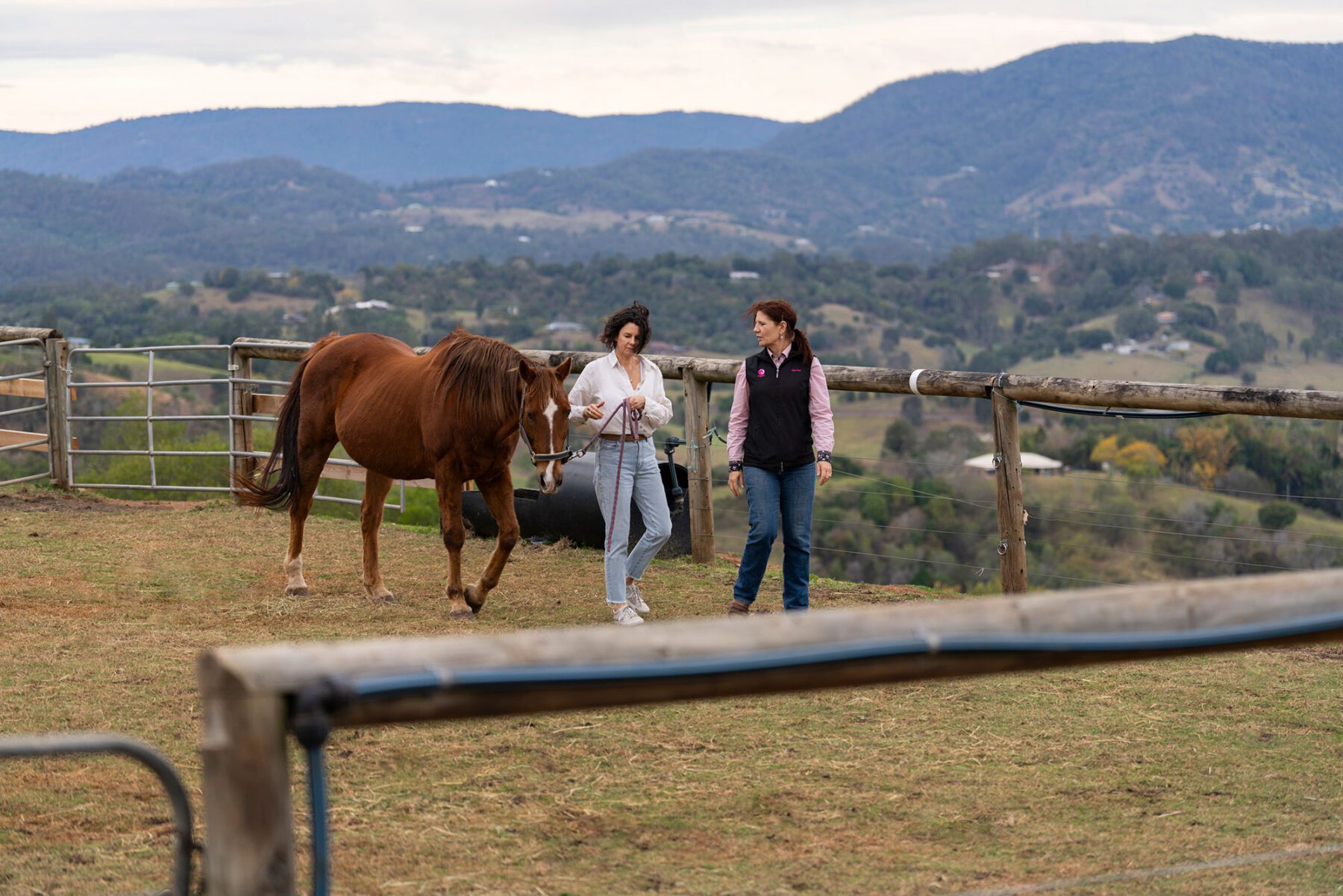
Long-term cannabis use affects sleep, appetite, energy, and physical conditioning. Your program includes dietetics tailored to your needs, exercise physiology with supervised graded movement, and adjunct therapies that support the clinical work, such as equine-assisted therapy, art therapy, yoga, and mindfulness, where clinically relevant.
These aren’t extras. They’re part of how the program addresses the whole picture of recovery, not just the use itself.
The Banyans’ residential rehabilitation program provides intensive, one-on-one weed addiction treatment in a fully private hinterland residence. Care is delivered by a coordinated multidisciplinary team across medical, psychiatric, psychological, nutritional, and physical disciplines, with medically supervised withdrawal available onsite where clinically appropriate. Each program is shaped to your clinical needs, with options ranging from focused stays for less complex presentations to extended engagement that incorporates deeper diagnostic work, additional therapeutic modalities, and the relational or family work that often supports lasting change.
The Banyans Health Plus offers day rehab programs in Brisbane for people who need serious therapeutic support for cannabis addiction recovery but can’t step away from work, family, or other responsibilities for residential treatment. It also serves as a structured step-down option following a residential stay. Sessions run weekly over eight weeks with one-on-one access to psychologists, dietitians, and clinical specialists, with SMART Recovery delivered as part of the addiction-focused stream.
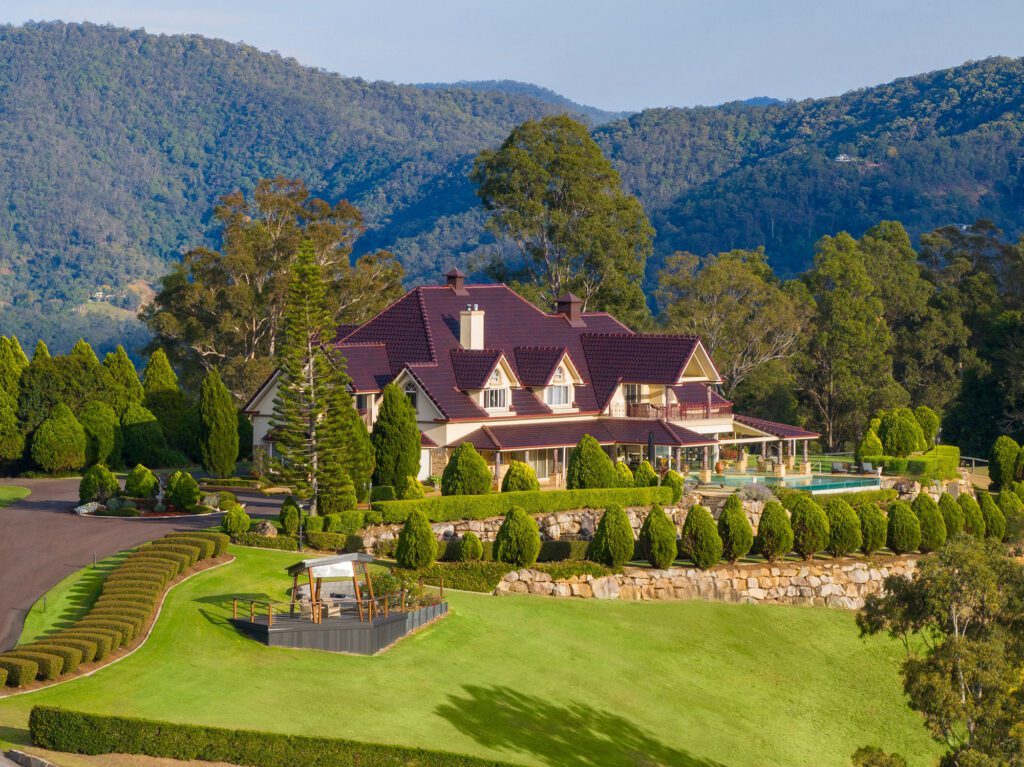
Cannabis rehabilitation at The Banyans combines medical, psychological, and physical care in a fully private setting, available through both residential and day programs. Each day includes multiple individual sessions across the clinical team, with your program assessed and refined as you progress. Program length and inclusions are shaped around your clinical needs and goals, with options ranging from a focused one-week stay to a longer engagement incorporating deeper diagnostic work and additional therapies. Explore the inclusions in our Foundations program below.



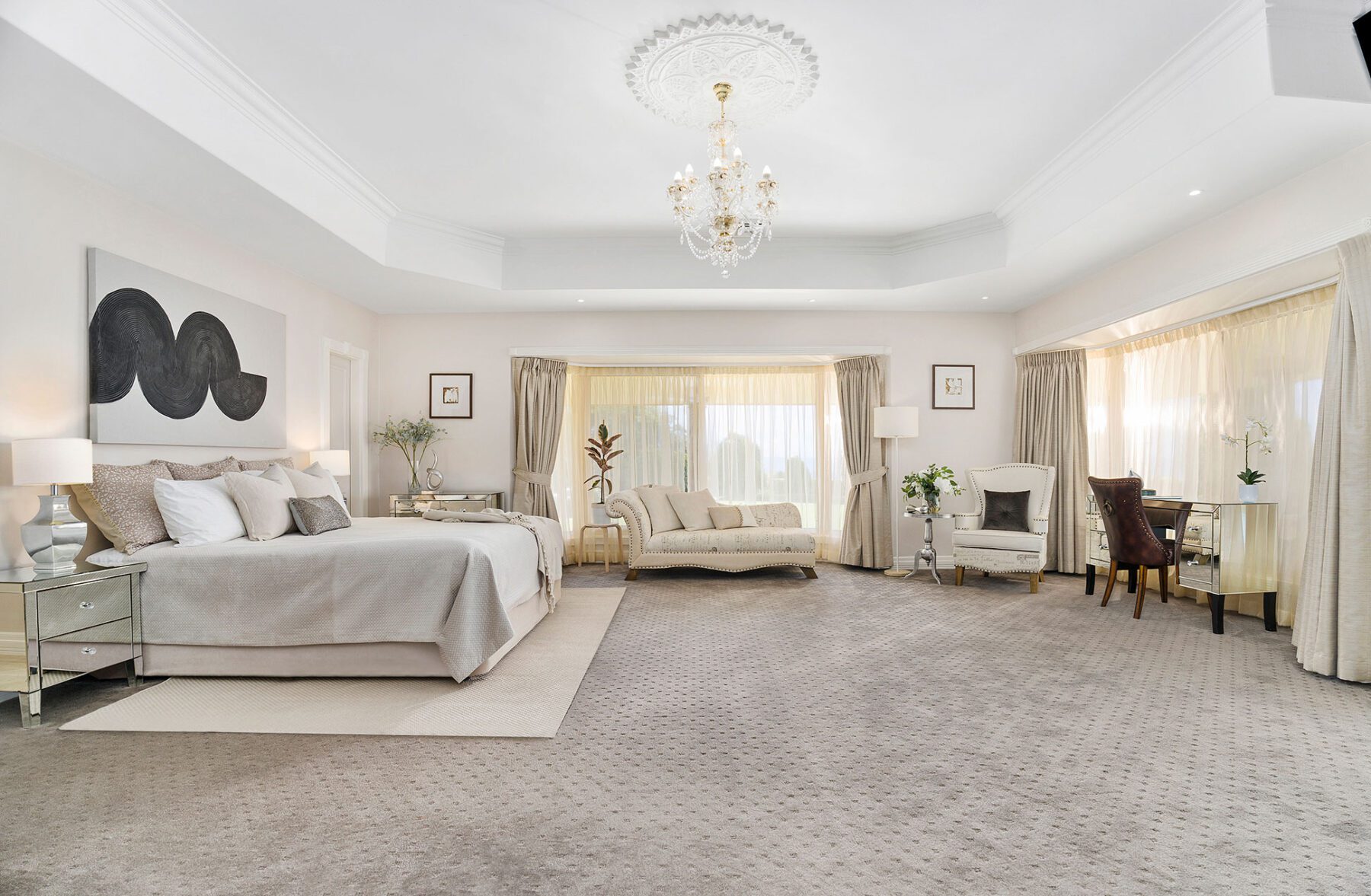
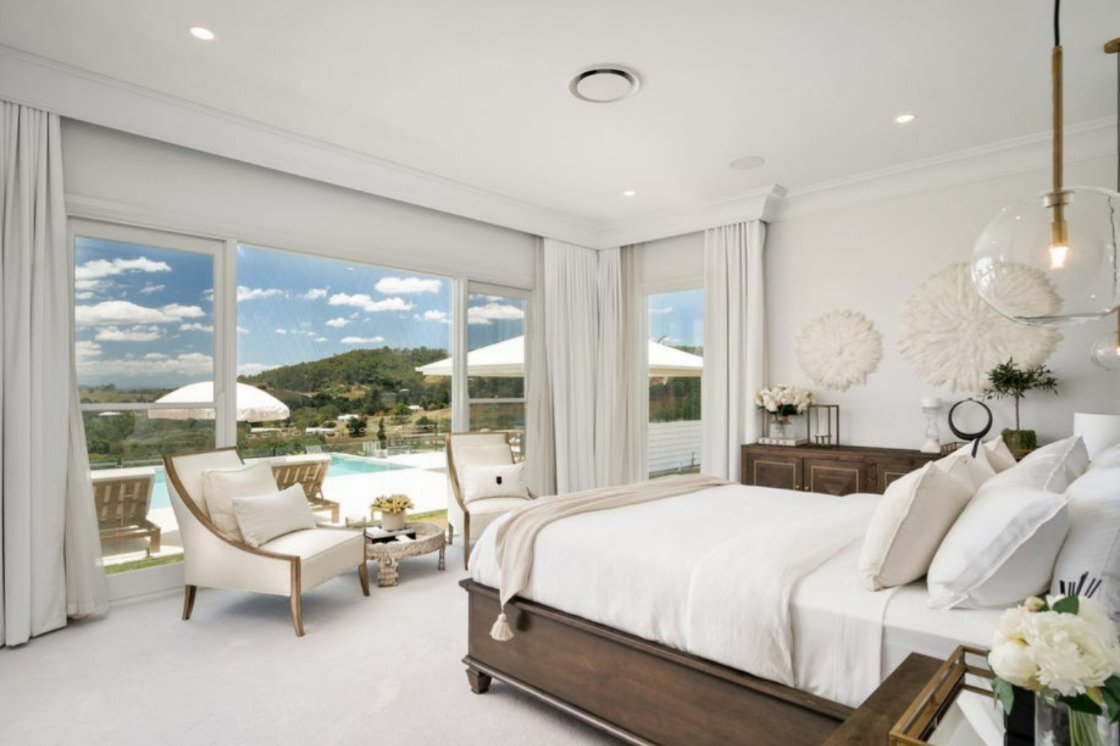
Private accommodation
Dedicated therapy rooms
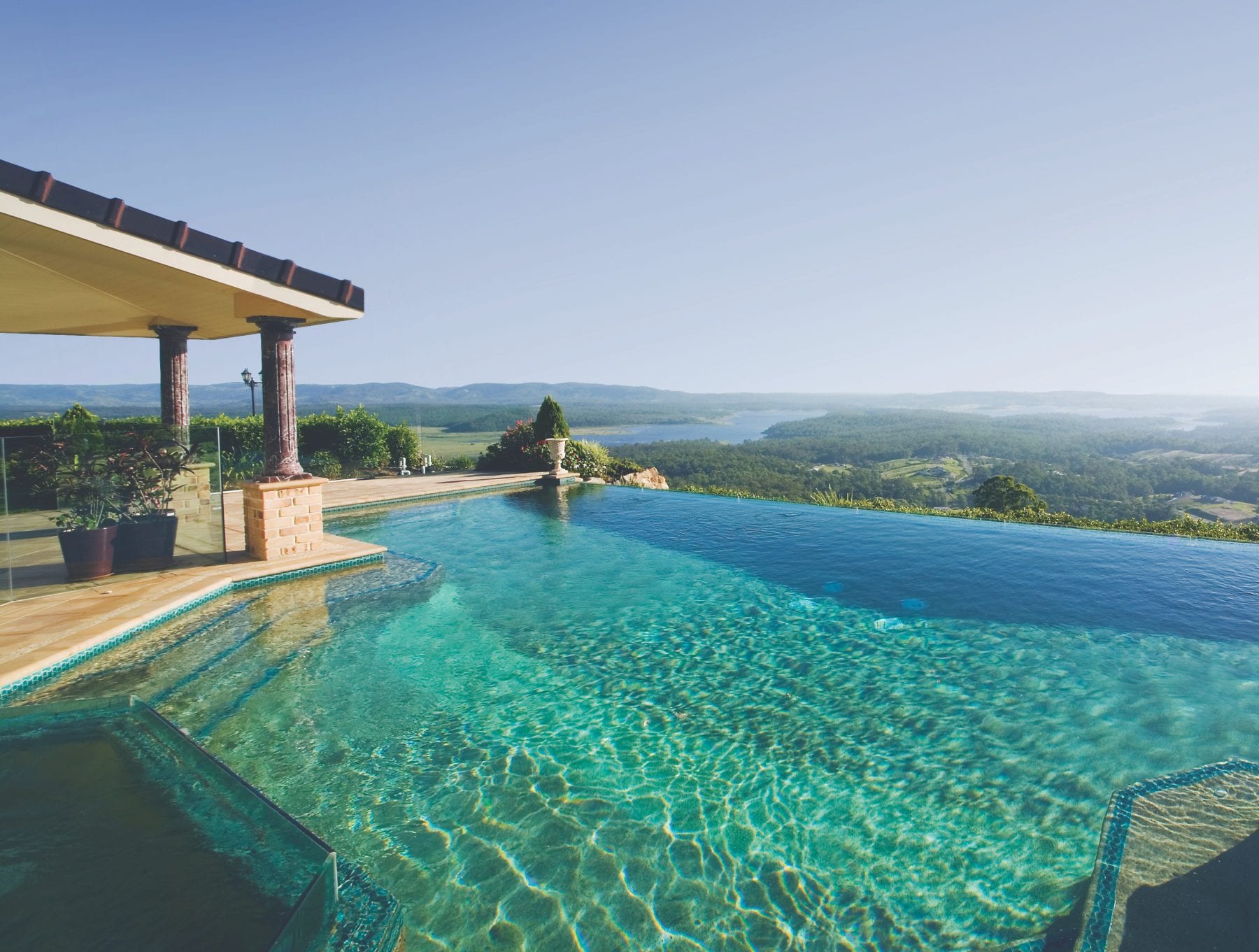
Infinity magnesium pool
Industry-equipped gym
Yoga studio
Private cinema
Indoor and Outdoor relaxation areas
Private accommodation
Dedicated therapy rooms
Magnesium pool
Industry-equipped gym
Yoga studio
Private cinema
Indoor and outdoor relaxation areas
Accessible exclusively to guests who reserve the entire Estate for a fully private experience.
To support your sustained recovery beyond residential treatment, our program includes aftercare services. Additionally, we can choose to engaged in an 8-week series of structured programs, one day a week, to provide ongoing support and practical assistance to build back strongly once you return to day to day life.
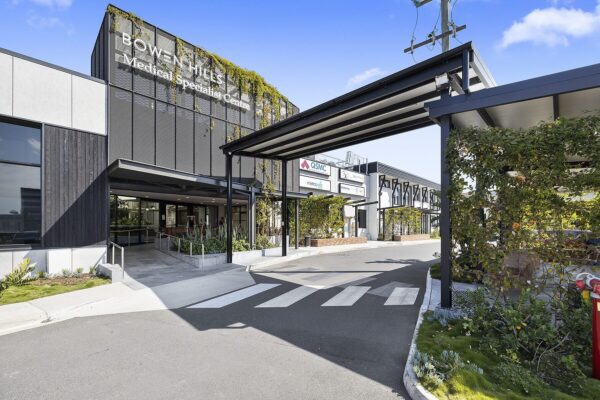
Our Day Programs offer focused, weekly care within our purpose-built recovery facility in Brisbane’s inner city. Benefit from private, tailored one-on-one sessions in a tranquil environment, where practical tools and expert guidance are provided to help you navigate the transition back to daily life.
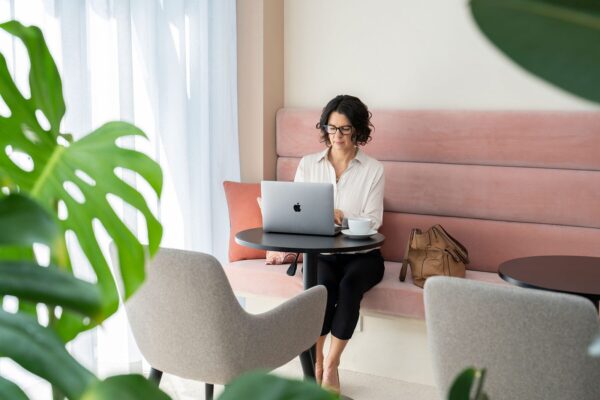
Building upon your program progress, our aftercare service provides personalised, ongoing support and maintained connection. Through regular Telehealth sessions, we gain a deeper understanding of your evolving needs and tailor guidance accordingly. This collaborative approach to reintegration, ensures you receive the right support for each stage of your journey.
Contact our friendly Intake Team for a caring, confidential discussion about how The Banyans can help you to regain control and reclaim your life.
Our residential treatment program is meticulously designed by a team of world-class professionals, drawing upon the latest research and developments in mental health and addiction recovery to ensure consistent clinical excellence.
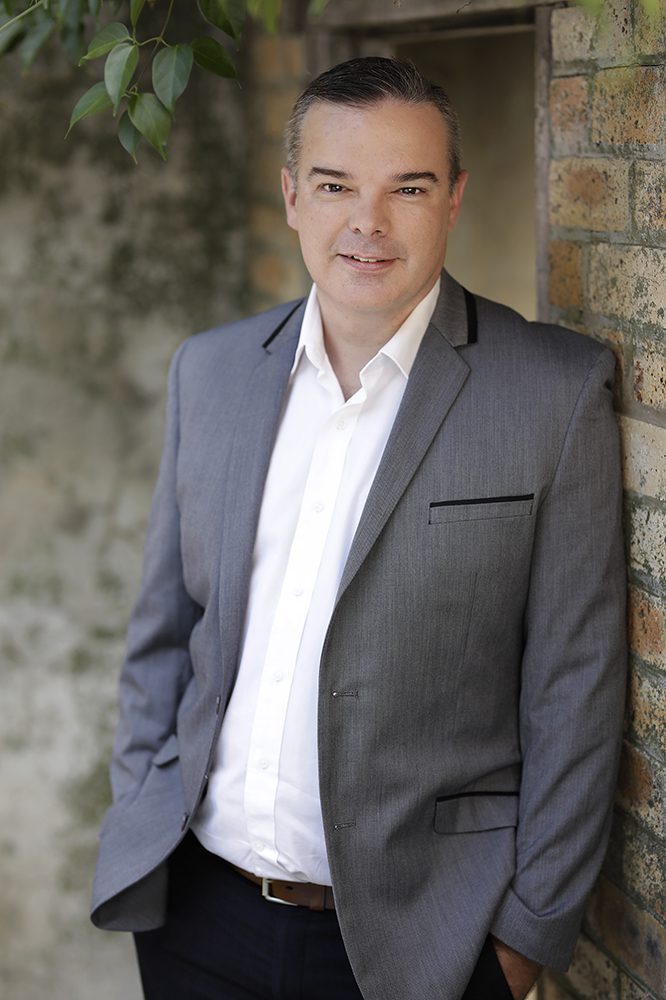
Clinical Director/ Clinical Psychologist
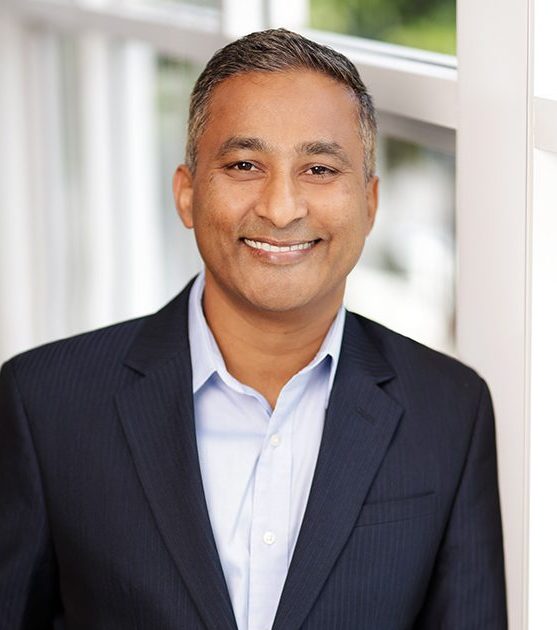
Medical Director
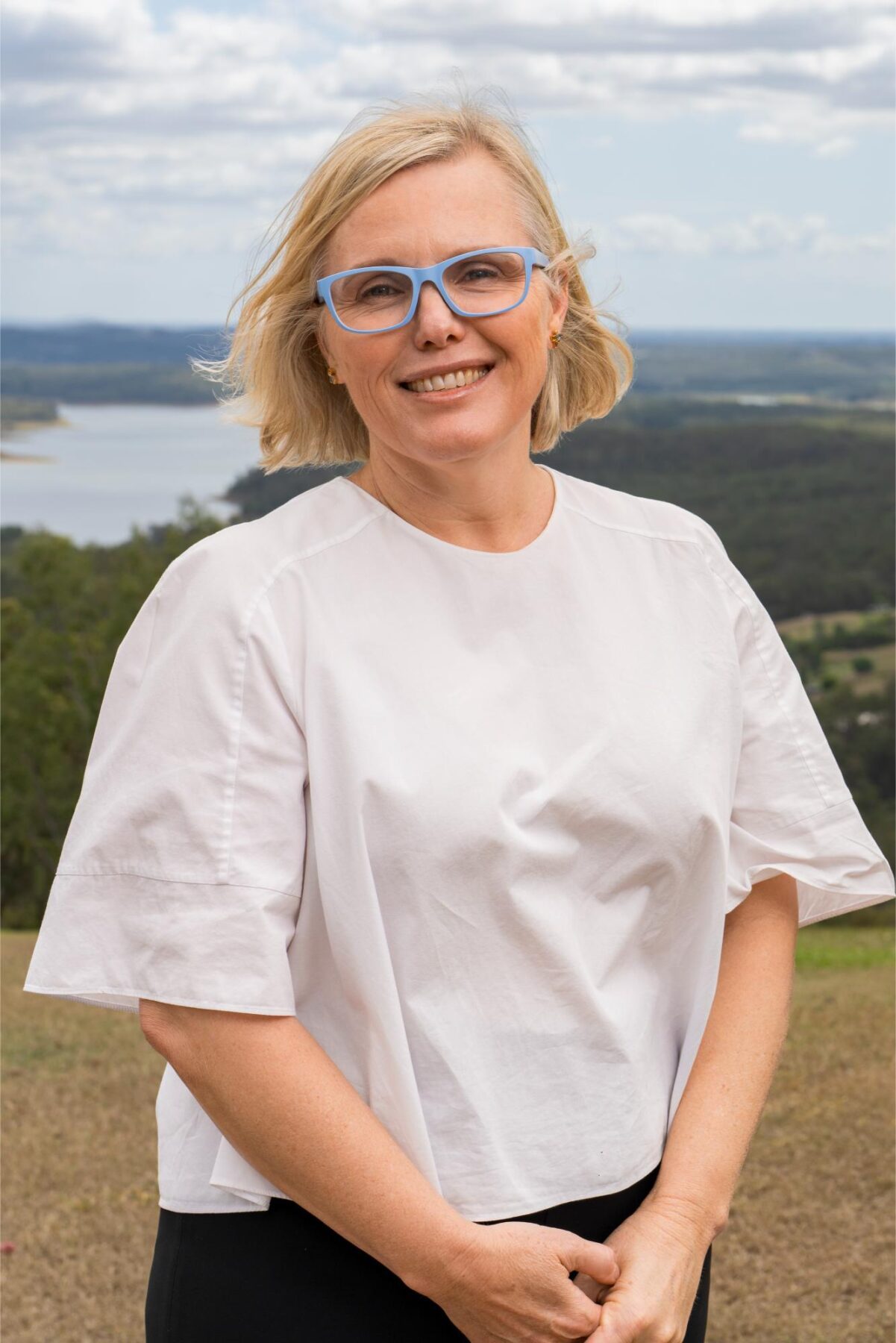
Clinical Nutritionist
Founder and Managing Director

The Banyans, along with other Sana Health Group mental health and addiction treatment facilities, adheres to the National Safety and Quality Health Service (NSQHS) standards – the benchmark for all Australian hospitals
Our initiative to attain this accreditation demonstrates our dedication to an evidence-based approach grounded in best practice clinical governance, ensuring continuous improvement and exceptional client outcomes.
These testimonials, shared with utmost confidentiality, reflect the very real journeys of individuals navigating recovery. Whilst each guest’s journey is unique, these stories offer insights into the transformative potential of The Banyans’ leading mental health and addiction treatment programs.
Is cannabis really addictive?
Yes. Cannabis use disorder is recognised in the Diagnostic and Statistical Manual of Mental Disorders (DSM-5) and can include tolerance, withdrawal, cravings, and continued use despite negative consequences. Research suggests a meaningful proportion of people who use cannabis regularly will develop cannabis use disorder, with risk rising for those who begin use as adolescents or use daily.
The clinical reality of cannabis dependence has also shifted alongside the increasing potency of cannabis products available today, which affects both withdrawal severity and the pattern of dependence.
How long does cannabis withdrawal last?
Most cannabis withdrawal symptoms begin within 24 to 72 hours of stopping, peak during the first week, and ease over two to three weeks. Sleep disturbance, vivid dreams, low mood, and reduced appetite are common, and sleep disruption can persist longer.
At The Banyans, withdrawal is medically supervised, with 24/7 nursing cover and daily medical review.
What’s the difference between residential and day programs for cannabis addiction?
Residential cannabis addiction treatment means staying onsite in a private suite at The Banyans, with one-on-one therapy and full multidisciplinary care delivered over one to four weeks or longer. It’s suited to people who benefit from stepping fully out of their usual environment.
Day programs through The Banyans Health Plus deliver the same clinical model – one-on-one, multidisciplinary, no group sessions — as intensive outpatient care in Brisbane. Day programs suit people who can’t step away from work or family, or who are stepping down from residential treatment.
What if I’ve tried to quit cannabis before and relapsed?
Relapse is common in cannabis use disorder, particularly when previous attempts have been outpatient or unsupported. It’s information, not failure, and it tells your clinical team something about what your particular pattern needs.
The Banyans treats people who’ve been through other treatment without sustained results. The combination of medically supervised withdrawal, one-on-one therapy, integrated mental health support, and structured aftercare is designed to support long term recovery.
Does cannabis use affect mental health?
Cannabis interacts with mental health in both directions. For many people, it starts as a way to manage anxiety, low mood, or sleep, and in the short term it can feel like it helps. Over time, regular use can worsen anxiety, disrupt sleep architecture, contribute to low mood, and in some cases trigger psychotic symptoms, particularly with high-potency cannabis or in people with a family history.
Treatment at The Banyans addresses cannabis use and any co-occurring mental health conditions in parallel, with psychiatric review available throughout the program.